
"Mount Elgon coffee"
400 article(s) found

The characteristics of berry-flavored coffee of TOP at high altitude in AA, Kenya and the introduction of Kenyan producing areas
For more information on coffee beans, please follow the coffee workshop (Wechat official account cafe_style) Kenya is located in Ethiopia and southern Yemen, only a few hundred kilometers away from the two world producing countries, but the history of coffee cultivation in Kenya is far inferior to that of these two countries, until 19 missionaries were brought to Kenya, and German and British colonists further developed.

Description characteristics of flavor and taste of Ugandan coffee brief introduction of manor planting varieties in producing area
The cultivation of coffee in Uganda is all small-scale family operation. The livelihood of 25% of the population is closely related to coffee production. About 500000 farms grow coffee, but mainly Robster. Robster accounts for 90% of coffee production, and the remaining 1 is Arabica coffee. Arabica and Live Buster are harvested from October to February of the following year. Ugandan coffee
Coffee beans Moses net official website of Japanese purchasing agents which coffee beans can be purchased by Japanese blue bottle coffee
Professional coffee knowledge exchange more coffee bean information please follow the coffee workshop (Wechat official account cafe_style) to Blue Bottle Coffee (coffee shop assistant coffee beans), the most important thing is to calm down your mood and enjoy this cup of hand-brewed coffee carefully completed by the shop assistant. In addition, I hope that every guest can enjoy the aroma of coffee, and the specially built interior

A brief introduction to the planting characteristics of Ugandan Coffee Bean Flavor Manor
Uganda leads Africa in coffee production, accounting for more than 70% of its total exports. In the 1960s, Ugandan coffee production remained at 3.5 million bags a year. By the mid-1980s, coffee production had dropped to 2.5 million bags a year, mainly for political reasons. But now coffee production is on the rise again, currently about 3 million bags a year. Mainly exported to the European Union, including Germany and Italy
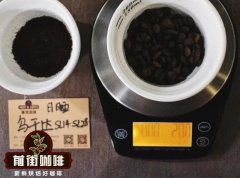
Africa Uganda Egon Mountain producing area Zor Mountain Yagrani processing plant coffee beans SL14 coffee varieties
Professional coffee knowledge exchange More coffee bean information Please pay attention to coffee workshop (Weixin Official Accounts cafe_style) Uganda coffee is a small shy in African producing areas, has not been active in the public's sight. Ugandan coffee is so shy because Uganda has always grown mostly Robusta, and in recent years with the support and development of the boutique coffee market,

The fourth place in Uganda Raw Bean Harvest Flavor Competition is the flavor description of Sunshine Coffee.
Professional coffee knowledge exchange more coffee bean information please follow the coffee workshop (Wechat official account cafe_style) every year major coffee producing countries in Africa hold a national raw bean competition, called the Harvest season Flavor Competition (The Taste of Harvest; TOH), similar to the extraordinary Cup (Cup of Excellence) in Central and South America, TOH has become a discovery of Kenya and Egypt.

A brief introduction to the cultivation of Ugandan boutique coffee beans, geographical location, climate and altitude
Ugandan coffee beans have a unique flavor of delicate taste, which is very suitable for making Italian and other flavors of coffee. More importantly, Ugandan coffee beans are strictly screened according to the standards of the international market to ensure their high quality and pollution-free characteristics. Uganda is a landlocked country in eastern Africa, straddling the equator, bordering Kenya to the east, Tanzania and Rwanda to the south, and the Democratic Republic of the Congo to the west.

A brief introduction to the treatment method of grinding degree and baking degree of Ugandan boutique coffee beans with unique flavor
Dry aroma (1-5): 3.2 wet aroma (1-5): 3.4 acidity (brightness) (1-10): 8 taste (layering) (1-10): 8.5 taste (alcohol thickness) (1-5): 4 aftertaste (residual) (1-10): 8.1 balance (1-5): 0 basic score (50): 50 total score (maximum 100): 85.2 strength / main attributes: medium strength / high oil content Pristine

A brief introduction to the market price of fresh-flavored Ugandan boutique coffee beans
The cultivation of coffee in Uganda is all small-scale family operation. The livelihood of 25% of the population is closely related to coffee production. About 500000 farms grow coffee, but mainly Robster. Robusta accounts for 90% of coffee production, and the remaining 1 is Arabica coffee. Arabica and Robusta are harvested from October to February. Ugandan coffee

A brief introduction to the Market Price of High-quality and pollution-free Ugandan Fine Coffee Bean varieties
Uganda is the country of origin of coffee grown in Robusta, but commercial cultivation of Arabica species here did not begin until early 1900. Today, there are still a large number of wild robusta coffee trees in Uganda, which is rare in cities in the world. As a landlocked country, the large coffee cultivation in Uganda is often interplanted, where coffee trees are mixed with food crops and rubber trees.

How does Kenyan coffee brand da drink Kenyan coffee brand Giando Manor?
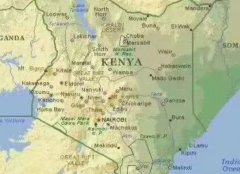
Professional coffee knowledge exchange more coffee bean information Please follow Coffee Workshop (Wechat official account cafe_style) Kenya, located in East Africa, is one of the important producers of fine coffee in the world, but the overall output is not much, accounting for less than 0.5% of the global production. There are two production seasons in Kenya, the main time is from October to December each year, and the other has a lower yield.

A brief introduction to the flavor, taste and aroma characteristics of Ugandan boutique coffee beans with unique flavor
Uganda is the country of origin of coffee grown in Robusta, but commercial cultivation of Arabica species here did not begin until early 1900. Today, there are still a large number of wild robusta coffee trees in Uganda, which is rare in cities in the world. As a landlocked country, the large coffee cultivation in Uganda is often interplanted, where coffee trees are mixed with food crops and rubber trees.

A brief introduction to the Origin, Development, History and Culture of Ugandan Fine Coffee beans with unique charm
Later, when the ship replaced the sailboat, due to the shortened delivery time, people drank relatively fresh coffee beans. But people who are used to drinking Chen beans are not used to the fresh taste, so they desperately pursue old Java coffee, so that the Indonesian government and some businessmen deliberately store fresh beans in warehouses for one or two years and then sell them to consumers. In fact, compared with fresh beans, aged beans

A brief introduction to the cultivation of fresh-flavored Ugandan boutique coffee beans, geographical location, climate and altitude
Ugandan coffee is mainly exported to the European Union, of which Germany, Italy and other countries are the largest buyers of coffee. Uganda is the country of origin of coffee grown in Robusta, but commercial cultivation of Arabica species here did not begin until early 1900. Today, there are still a large number of wild robusta coffee trees in Uganda, which is rare in cities in the world. As a landlocked country, Uganda
According to the characteristics of Kenyan coffee beans, is Azaria's special treatment of fermented coffee beans good?
Asalia, Kenya: Kenya Sika Thika processing plant: Asali honey processing plant altitude: 15501750 meters classification: AA TOP varieties: SL28,SL34 treatment: K72 (Kenya 72 hours water washing) Sika is a small town in Nairobi, Kenya. There are many coffee fields around Nairobi, and Sika is an industrial town, but it is surrounded by

Introduction to the characteristics of Ugandan boutique coffee bean flavor and taste manor with persistent fruit flavor
Organic Uganda Burkina Faso uganda bugisu AA 18 mesh Uganda is a landlocked country in eastern Africa, across the equator, bordered by Kenya to the east, Tanzania and Rwanda to the south, the Democratic Republic of the Congo to the west and Sudan to the north. Most of the territory is located in the Central African Plateau, with lakes, with an average elevation of 1000,000,000 meters above sea level. There are many lakes and plateaus in the mountains, which are known as the water villages of the plateau. The western branch of the Great Rift Valley of East Africa
A brief introduction to the treatment method of grinding degree and baking degree of plain and mild Ugandan boutique coffee beans
Uganda is the birthplace of Robusta in Africa, just as Ethiopia is the birthplace of Arabica coffee, which was first found in Uganda. So far, Uganda has a history of growing coffee for more than 100 years. The output ranks second in Africa, after Ethiopia. At the same time, Uganda is one of the few major countries in Africa dedicated to the production of organic coffee. Wu

A brief introduction to the history and culture of the origin and development of plain and mild Ugandan boutique coffee beans
Uganda is the country of origin of coffee grown in Robusta, but commercial cultivation of Arabica species here did not begin until early 1900. Today, there are still a large number of wild robusta coffee trees in Uganda, which is rare in cities in the world. As a landlocked country, the large coffee cultivation in Uganda is often interplanted, where coffee trees are mixed with food crops and rubber trees.
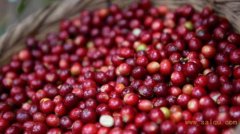
A brief introduction to the cultivation of high-quality and pollution-free boutique coffee beans in Uganda, geographical location, climate and altitude
The cultivation of coffee in Uganda is all small-scale family operation. The livelihood of 25% of the population is closely related to coffee production. About 500000 farms grow coffee, but mainly Robster. Robusta accounts for 90% of coffee production, and the remaining 1 is Arabica coffee. Arabica and Robusta are harvested from October to February. Ugandan coffee

Taste of Ugandan Coffee Flavor Manor area introduces Ugandan boutique coffee beans
In order to improve the quality and reduce the cost of coffee, Uganda cancelled the exclusive management right of the Coffee Management Committee (Coffee Marketing Board, referred to as CMB) in November 1990. Most of the work originally undertaken by the Coffee Management Committee has now been handed over to the cooperative organization. Privatized coffee accounts for 2% of the country's export revenue, so the government levies coffee shops.